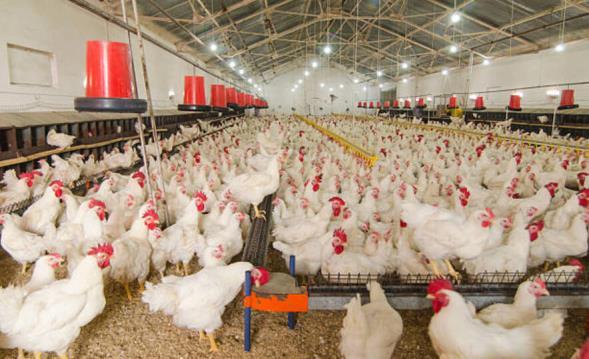
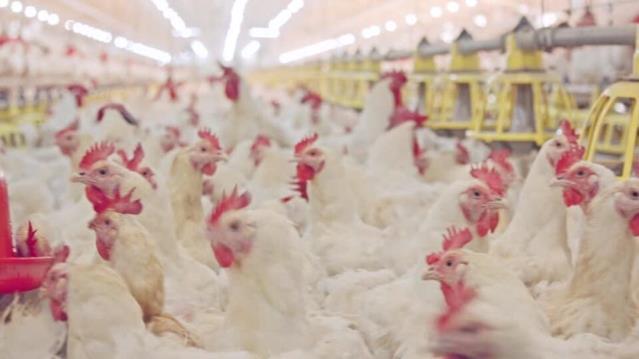
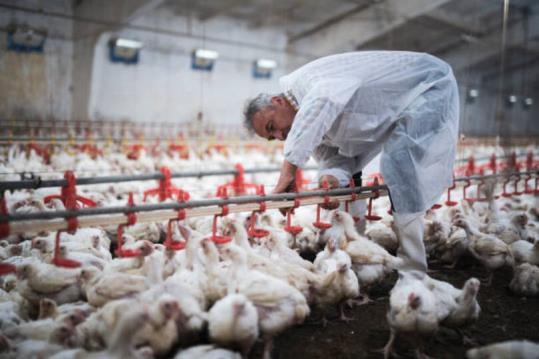
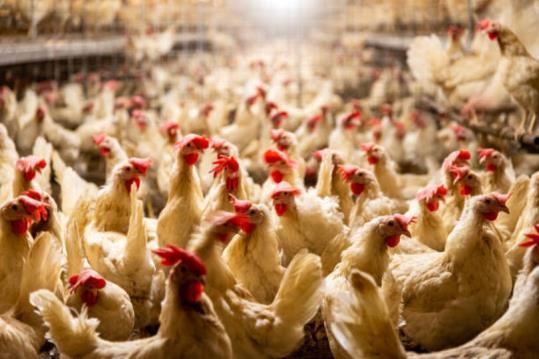
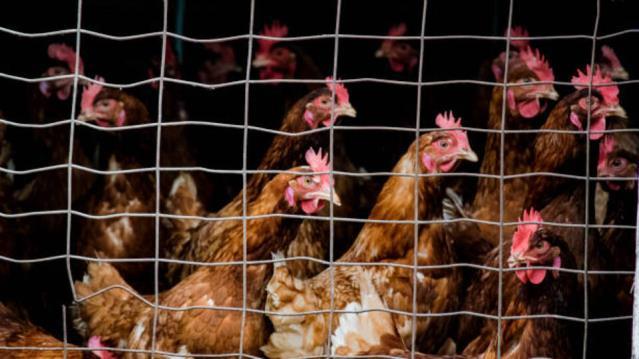
Stay informed with live updates on the latest poultry market rates. This feature provides users with real-time price trends for chickens across different regions. Gain insights to make informed decisions on buying and selling, helping you maximize your profits in a competitive market.
Starting a poultry farm requires careful planning, resource management, and an understanding of the local market. First, identify your target broiler or layer farming based on your budget, goals, and land availability. Develop a business plan that includes estimated costs, profits, and scalability options. Ensure you register your farm with relevant authorities and select a suitable location with easy access to water and transportation. The next step is infrastructure. Construct a properly ventilated poultry shed with secure fencing. Install feeders, drinkers, and heating systems to maintain optimal chick conditions. Biosecurity measures like footbaths, regular cleaning, and visitor restrictions are crucial to reduce disease risk. Buy day-old chicks from trusted hatcheries and maintain batch records.Once your setup is complete, focus on feeding schedules, vaccination timelines, and monitoring flock behavior. Use commercial or organic feeds based on your business model. Hire trained workers or supervise personally to maintain quality. Lastly, develop marketing channels—local retailers, wholesalers, or online delivery—to ensure steady sales and reinvest profits into growth.
Choosing between broiler and layer poultry farming depends on your financial goals, management capacity, and market demand. Broilers are raised for meat and grow fast—typically ready for sale in 6–7 weeks. Layers, on the other hand, start laying eggs around 18–20 weeks and remain productive for over a year. Broilers provide quicker returns, while layers ensure long-term cash flow. Broiler farming requires less infrastructure and is ideal for small-scale farmers looking for quick profits. However, it comes with higher feed conversion ratios and more biosecurity risks. Layers need more care, continuous feed, and space but offer regular income from egg sales and manure by products. If you prefer frequent turnovers and lower long-term management, broiler farming is better. But if you have capital for delayed profit and want steady income, layer farming wins. You can even run both side-by-side to diversify risk. In all cases, market research and quality management are critical to success.
Proper feeding is the foundation of a healthy and productive poultry farm. Nutritional requirements vary between broilers, layers, and chicks. Broilers require high-protein starter and finisher feeds, while layers need calcium rich diets for strong eggshells. Always use balanced commercial feed or consult a vet before switching to alternative options. Feed your chicks at least five times a day in their first two weeks. Gradually reduce frequency but increase quantity as they grow. Layers need consistent feed with added minerals to maintain daily laying cycles. Water should be clean, cool, and available at all times—never let birds go thirsty. Overfeeding or underfeeding can cause stunted growth, disease, or poor production. Monitor feed consumption using records and adjust quantities seasonally. Invest in automatic feeders and nipple drinkers if managing large flocks. Always store feed in dry, rodent-free spaces to avoid contamination. A good feeding strategy can improve productivity by over 20%.
Poultry farming remains one of the most profitable agri-businesses in Pakistan, especially with rising demand for affordable protein. The government supports poultry with tax incentives, cheap loans, and disease control programs. If you follow a strategic plan, even a 500-bird setup can yield significant profits. Key profit drivers include smart feed management, biosecurity, vaccination, and access to wholesale buyers. Use data sheets to monitor bird weight, feed conversion ratio, and mortality. Control these numbers, and your business will be efficient. Diversify into manure sales or processed meat/eggs to boost margins. With urban food delivery growing, you can create direct-to-customer models through apps or social media. Target both commercial and desi markets based on local demand. Use solar power, rainwater harvesting, or local feed options to reduce overheads. A well-managed farm can recover its investment within 6–8 production cycles.
Constructing a cost-effective poultry shed requires balancing affordability with functionality. Start with a layout that provides 1.5 to 2 square feet per bird. Use local, weather-resistant materials like bamboo, bricks, or galvanized sheets. Make sure the structure has east-west orientation for sunlight and airflow. The shed must have proper ventilation, drainage, and insulation. Windows or exhaust fans reduce ammonia build-up. Elevate floors or use sloped cement to prevent waterlogging. For small farms, open-sided sheds with mesh wiring can work well. Inside, use locally made feeders, drinkers, and low-cost lighting to cut expenses. Ensure biosecurity through entrance dips, disinfection, and controlled access. A strong shed protects from heat, rain, and predators, increasing survival rates and profits. For scalable farms, plan space for future expansion. Smart design can save up to 30% in disease losses and improve bird productivity
Many beginners jump into poultry farming without proper research, resulting in financial and operational setbacks. Mistake #1 is poor planning—failing to estimate feed, medicine, or mortality costs. Mistake #2 is choosing the wrong breed or source for chicks, leading to poor growth or disease. Inadequate shed design and lack of ventilation lead to stress and mortality. Overcrowding, irregular feeding, and skipping vaccinations are other common errors. Beginners also ignore record keeping, which is vital for troubleshooting issues. Selling without knowing market trends can crash your profits. Never mix different age groups or ignore early signs of disease. Don’t delay vet consultations or waste money on unverified advice. Learn from others, take training, and start small to reduce risks. Poultry farming is a science—treat it professionally for long-term success.
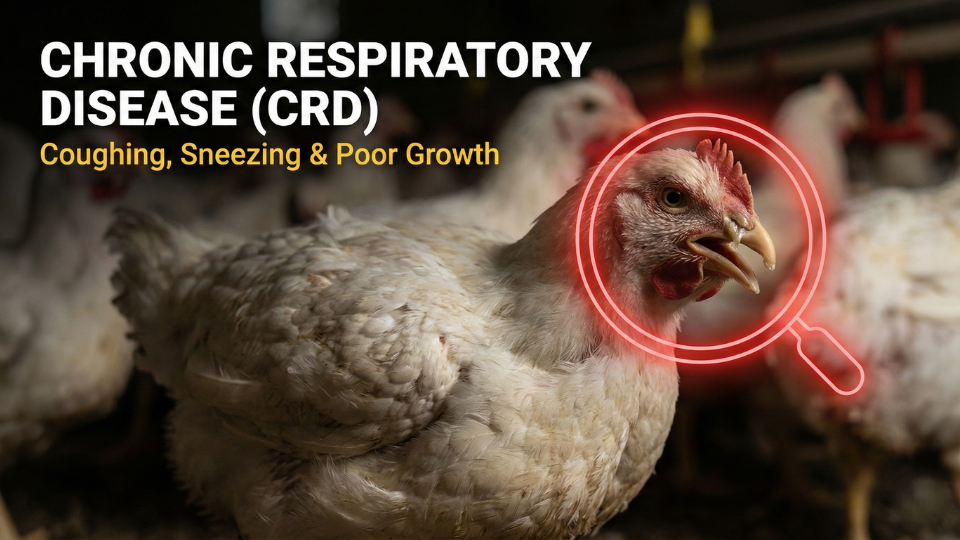
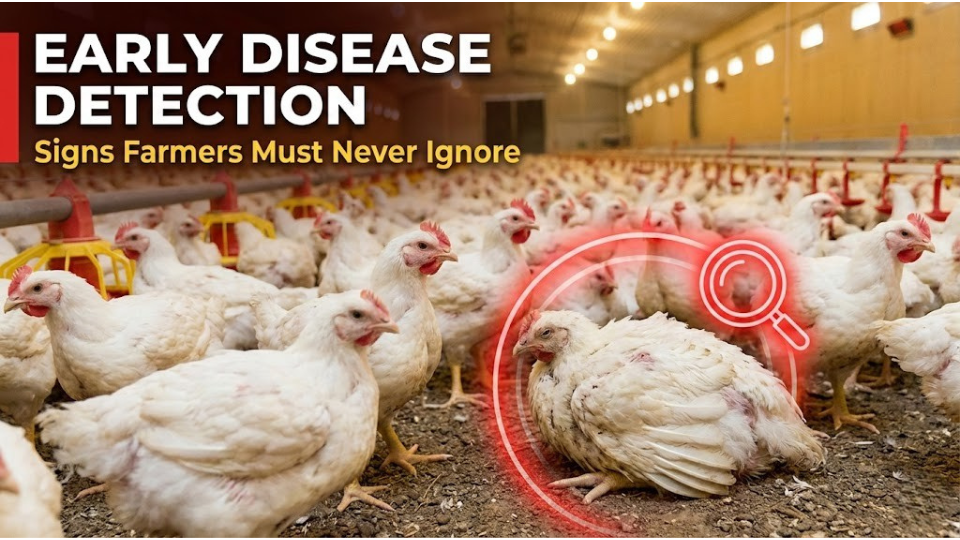
Poultry farming, while highly profitable, is extremely vulnerable to disease outbreaks that can lead to massive bird mortality and financial loss. This comprehensive blog identifies the seven most common poultry diseases—Newcastle Disease, Avian Influenza, Infectious Bursal Disease (IBD), Coccidiosis, Chronic Respiratory Disease (CRD), Fowl Pox, and Marek’s Disease. Each disease is broken down with visual symptoms, causes, and transmission methods. The article then offers prevention strategies such as strict biosecurity measures, timely vaccination, early detection methods, and proper sanitation. The goal is to empower poultry farmers with the knowledge they need to protect their flocks and investments. This blog is ideal for new and experienced farmers looking to strengthen disease control on their farms.
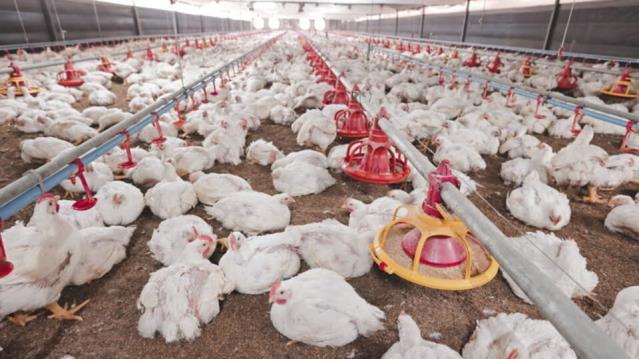
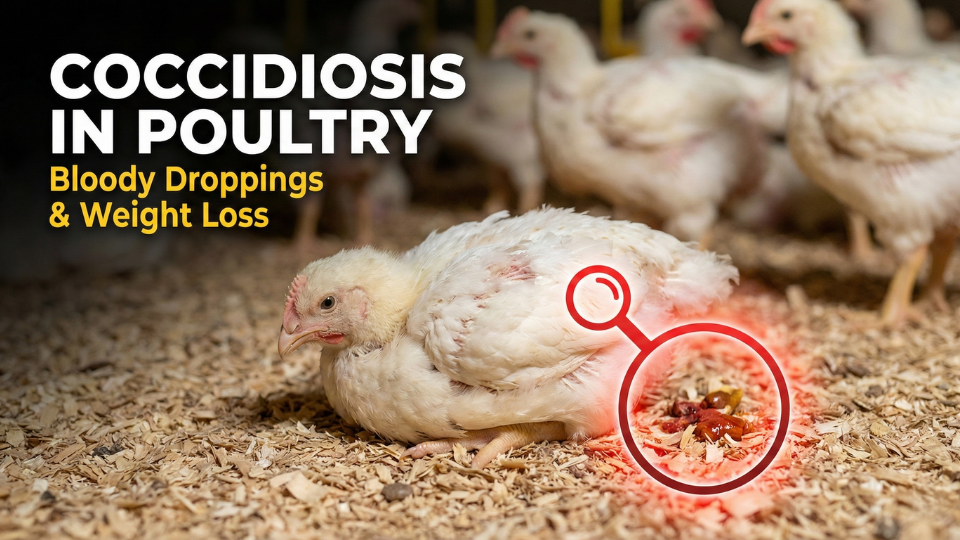
Coccidiosis is a parasitic disease caused by protozoa affecting the intestines of poultry, especially young chicks. It spreads rapidly through droppings in dirty, wet litter and results in diarrhea, weight loss, and sudden death if untreated. Red or bloody droppings are the most common symptom. Early treatment involves coccidiostats mixed in water or feed, and in severe cases, veterinary antibiotics. Maintaining dry litter and clean water lines is critical. Avoid overcrowding and rotate bedding frequently. Disinfect equipment and provide enough feeder/drinker space per bird. Vaccines are available and can be administered to day-old chicks for long-term protection. Biosecurity is key—new birds must be quarantined. Regular health checks and early detection are your best tools to minimize losses. A single outbreak can cost thousands if not handled swiftly.
Marek’s disease is a highly contagious viral disease affecting the nervous system of chickens. It's caused by a herpesvirus and leads to paralysis, weight loss, irregular pupils, and tumors in organs. Chicks are most vulnerable between 3–6 weeks of age, and the virus spreads via feather dust. There is no cure, only prevention. Vaccinate chicks within 24 hours of hatching. Keep housing clean, dry, and well-ventilated. Avoid mixing vaccinated and unvaccinated birds. Once infected, birds must be culled to prevent the spread. Use personal protective gear during handling. Marek’s can destroy entire flocks and is often misdiagnosed. Regular observation for changes in walking, balance, or posture can help early detection. Keeping stress levels low and avoiding overcrowding reduces susceptibility. Always source chicks from vaccinated flocks to ensure long term safety.
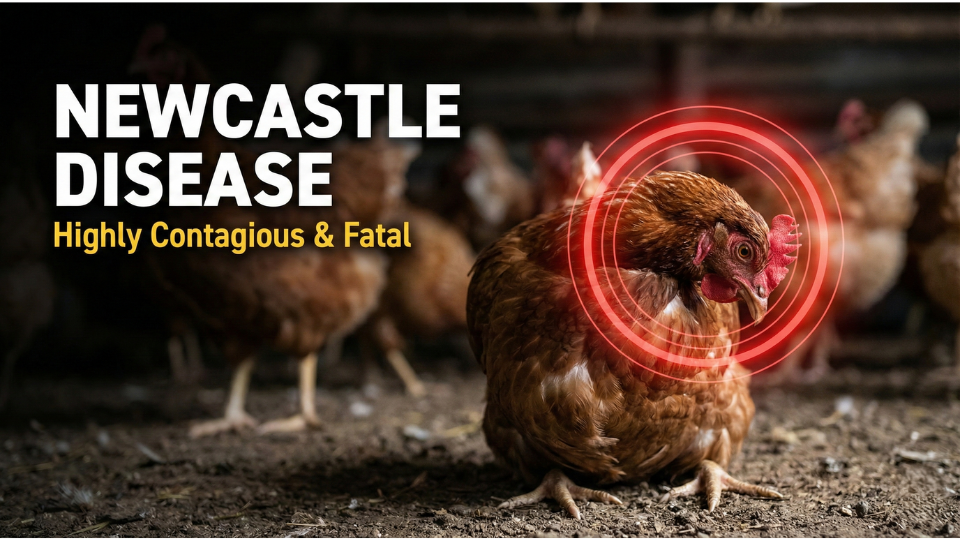
Newcastle disease is one of the most destructive viral infections in poultry, causing respiratory distress, green diarrhea, and nervous signs like twisted necks. It can kill 100% of an unvaccinated flock within days. The virus spreads through air, feed, water and human contact. Preventive vaccination is non-negotiable. Use live or inactivated vaccines as per schedule—usually at 7, 21, and 35 days. Biosecurity must include disinfection routines, quarantine for new birds, and limited farm access. Never bring in birds or equipment from unknown sources without testing. If an outbreak occurs, inform veterinary authorities immediately. Cull infected birds and destroy carcasses far from the farm. Disinfect all surfaces and pause new batches until clearance. Newcastle disease is preventable, but once it hits, recovery is hard. Prevention is your only safe bet.
Fowl cholera is a bacterial infection caused by Pasteurella multocida. It affects chickens, ducks, and turkeys, leading to swollen wattles, fever, diarrhea and sudden death. The disease spreads via contaminated feed, water, and wild birds, especially in rainy seasons. Immediate treatment includes sulfa drugs or antibiotics prescribed by a vet. However, prevention is more effective. Vaccinate regularly, maintain strict hygiene, and isolate infected birds. Use proper pest control to keep rodents and wild birds away from the shed. Cleanliness is key—wash feeders, remove leftover feed, and keep the shed dry. Monitor closely during seasonal changes. Once under control, maintain preventive measures year-round. Fowl cholera, if ignored, can wipe out weeks of profit in a few days.
An effective vaccination schedule protects your poultry from deadly diseases and improves productivity. Day-old chicks must receive Marek’s disease and Newcastle vaccines. At 7–10 days, administer Infectious Bronchitis and Gumboro. Repeat Newcastle at 21 and 35 days, along with IBD boosters. For layers, vaccinations extend beyond the first month. Fowl Pox, Infectious Coryza, and Egg Drop Syndrome (EDS) are critical. Continue boosters as birds approach laying age. Maintain records for each batch and monitor reactions post-vaccination. Use only approved, properly stored vaccines. Hire trained personnel for administration. Avoid stress before and after vaccinating. Clean equipment before each use. Incorrect timing or skipping doses weakens immunity and invites outbreaks. A good vaccination plan can reduce mortality by over 60% and is an investment, not a cost.
Parasites like lice, mites, worms, and ticks can severely harm poultry health and productivity. External parasites cause itching, feather loss, and anemia, while internal worms damage digestion and growth. Most infestations start from dirty sheds, untreated bedding, or exposure to wild birds. Treat external parasites using poultry-safe sprays or dusts every 15–20 days. Deworm chickens every 30–60 days depending on age and farm size. Always rotate deworming medicines to prevent resistance. Use natural supplements like neem or garlic to support immunity. Regularly clean coops, replace bedding, and use lime or wood ash to treat floors. Limit outside exposure and quarantine new birds. A parasite-free flock grows better, lays more, and resists disease effectively. Prevention, not reaction, is the farmer’s strongest defense.
Newcastle Disease is a highly contagious viral disease that affects chickens of all ages and causes heavy mortality in poultry farms. The disease spreads through air, infected birds, contaminated equipment and human movement. Common symptoms include respiratory distress, greenish diarrhea, drop in feed intake, twisted neck, paralysis and sudden death. There is no effective treatment once the disease appears, making vaccination and strict biosecurity the only reliable control methods. This disease causes severe economic losses if preventive measures are ignored.
Infectious Bursal Disease mainly affects young chicks and severely weakens their immune system. Birds show symptoms like depression, ruffled feathers, trembling, diarrhea and swollen vent area. Even if mortality is low, long term damage to immunity results in poor growth and higher disease susceptibility. Proper vaccination timing, clean litter and stress free management are essential to prevent outbreaks and maintain flock immunity.
Coccidiosis is a parasitic disease caused by protozoa that thrive in wet and dirty litter conditions. It leads to bloody droppings, weight loss, poor feed conversion ratio, dehydration and increased mortality. Poor litter management and improper anticoccidial programs increase the risk. Effective prevention includes dry litter maintenance, proper medication programs and good water sanitation.
CRD is a slow spreading respiratory disease that reduces growth rate and feed efficiency. Birds show coughing, sneezing, nasal discharge and difficulty breathing. Stress, poor ventilation and ammonia build up increase disease severity. Long term control focuses on improving shed environment, reducing stress and following proper medication protocols under veterinary guidance.
Dr. Dilan Satra Singha discusses disease challenges in poultry production, emphasizing prevention over cure. He highlights four key factors affecting vaccine eficacy: bird health and immunity, farm management and biosecurity, proper vaccine selection, and correct administration. Dr. Singha focuses on four viral diseases prevalent in Sri Lanka Infectious Bronchitis, Newcastle Disease, Chicken Anemia Virus, and Inclusion Body Hepatitis—explaining their unique characteristics and the challenges they pose for vaccination strategies. The discussion also covers vaccine eficacy evaluation through serology and visual checks, stressing the importance of uniformity in vaccine application and continuous monitoring to achieve robust flock immunity.
Common mistakes in poultry vaccination that can lead to vaccine failure or endemic viral infections on farms: The video particularly highlights the importance of opening oral vaccine vials underwater to prevent contamination due to their vacuum seal and to avoid releasing viral organisms into the environment. It also stresses the significance of proper disposal of vaccine vials by burning, burying, and disinfecting them to prevent the virus from becoming a persistent issue on the farm.
This source emphasizes hygiene and nutrition as crucial factors for successful poultry farming, particularly broiler chickens. Disease prevention is highlighted through practices like disinfecting the chicken house, feeders, and drinkers, along with vaccination against common diseases like Gumboro. The video also discusses proper feeding strategies to ensure chickens reach optimal weight, recommending supplements like Diamond V and Nzyme to improve digestion and nutrient absorption. Finally, the importance of biosecurity measures, such as fencing off the chicken shed and using a foot bath with disinfectant at the entrance, is stressed to control disease spread.
The YouTube video from "CKL Africa Ltd" on "Dairy Hygiene - Preventing Mastitis" emphasizes the critical importance of maintaining high hygiene standards in dairy farming to prevent mastitis, a bacterial disease that significantly reduces milk production, incurs high treatment costs, and can even lead to cow mortality. The video showcases practical steps for cleanliness, including daily cleaning of cow sheds, watering points, and mattresses, followed by disinfection with products like Cooperside. It further highlights proper milking techniques, such as using medicated milking salts, milking quickly, completely emptying udders, and dipping teats in a solution of Mastrite after milking, all of which contribute to improved cow health and increased milk yield. The content illustrates how these practices transformed Evans's farm, boosting his milk production and overall profit.
This YouTube video transcript provides a detailed financial analysis of broiler chicken farming in Pakistan, specifically focusing on a 3,000-chick operation. The creator, Kamran from "My Pet Cottage," outlines the costs associated with purchasing chicks and feed, along with expenses for labor, utilities, and crucial vaccinations and medicine. He then explains how to calculate the feed conversion ratio (FCR) and estimates the total weight of saleable chickens, comparing the overall cost to the potential revenue to determine profitability. The transcript also touches upon additional factors like shed rental, the repurposing of chicken litter, and the significant financial risks posed by disease outbreaks, emphasizing the importance of biosecurity and proper management for long-term success in this fluctuating market.
The source, a YouTube video transcript from the "No-Till Growers" channel, provides a step-by-step guide on how to start a small farm. The content emphasizes practical advice beyond simply acquiring land and planting seeds, focusing on the complexities of farm businesses. Key recommendations include prioritizing a personal budget over land ownership, gaining farm experience before starting, developing a detailed business plan and budget, securing startup capital, and exploring farm collaborations. The transcript also highlights the importance of contractual agreements for land leases and suggests that outside income can be a valuable asset in the initial stages of farming.