
7 Most Common Poultry Diseases & Prevention Tips
Poultry farming, while highly profitable, is extremely vulnerable to disease outbreaks that can lead to massive bird mortality and financial loss. This comprehensive blog identifies the seven most common poultry diseases—Newcastle Disease, Avian Influenza, Infectious Bursal Disease (IBD), Coccidiosis, Chronic Respiratory Disease (CRD), Fowl Pox, and Marek’s Disease. Each disease is broken down with visual symptoms, causes, and transmission methods. The article then offers prevention strategies such as strict biosecurity measures, timely vaccination, early detection methods, and proper sanitation. The goal is to empower poultry farmers with the knowledge they need to protect their flocks and investments. This blog is ideal for new and experienced farmers looking to strengthen disease control on their farms.
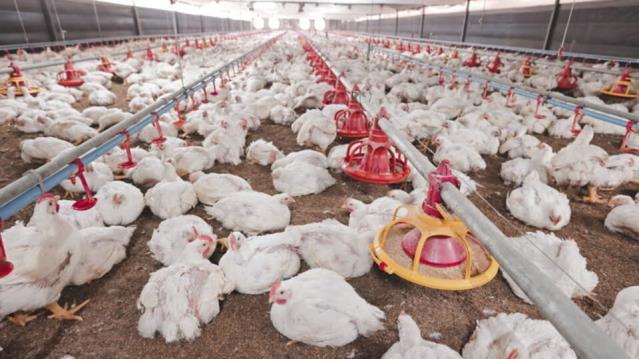
Top 10 Mistakes Beginners Make in Poultry Farming
Many beginners jump into poultry farming without proper research, resulting in financial and operational setbacks. Mistake #1 is poor planning—failing to estimate feed, medicine, or mortality costs. Mistake #2 is choosing the wrong breed or source for chicks, leading to poor growth or disease. Inadequate shed design and lack of ventilation lead to stress and mortality. Overcrowding, irregular feeding, and skipping vaccinations are other common errors. Beginners also ignore record keeping, which is vital for troubleshooting issues. Selling without knowing market trends can crash your profits. Never mix different age groups or ignore early signs of disease. Don’t delay vet consultations or waste money on unverified advice. Learn from others, take training, and start small to reduce risks. Poultry farming is a science—treat it professionally for long-term success.
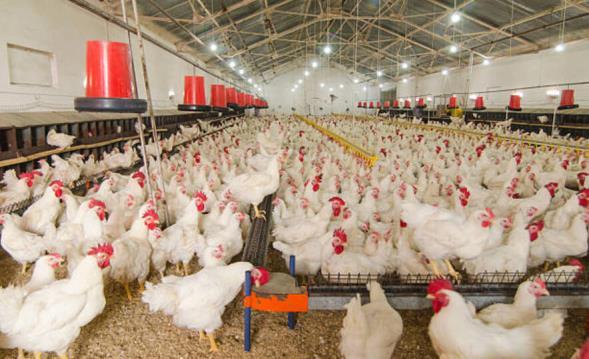
How to Build a Low-Cost Poultry Shed
Constructing a cost-effective poultry shed requires balancing affordability with functionality. Start with a layout that provides 1.5 to 2 square feet per bird. Use local, weather-resistant materials like bamboo, bricks, or galvanized sheets. Make sure the structure has east-west orientation for sunlight and airflow. The shed must have proper ventilation, drainage, and insulation. Windows or exhaust fans reduce ammonia build-up. Elevate floors or use sloped cement to prevent waterlogging. For small farms, open-sided sheds with mesh wiring can work well. Inside, use locally made feeders, drinkers, and low-cost lighting to cut expenses. Ensure biosecurity through entrance dips, disinfection, and controlled access. A strong shed protects from heat, rain, and predators, increasing survival rates and profits. For scalable farms, plan space for future expansion. Smart design can save up to 30% in disease losses and improve bird productivity
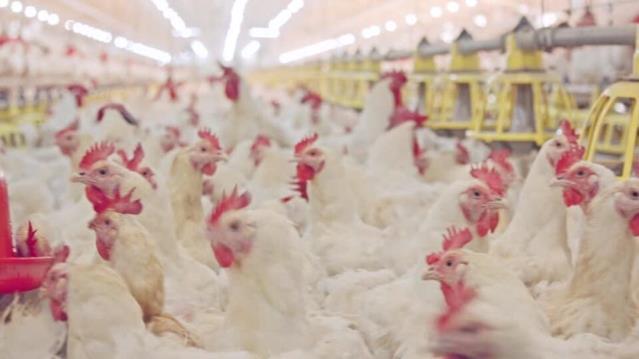
Profitable Poultry Farming in Pakistan: A 2025 Guide
Poultry farming remains one of the most profitable agri-businesses in Pakistan, especially with rising demand for affordable protein. The government supports poultry with tax incentives, cheap loans, and disease control programs. If you follow a strategic plan, even a 500-bird setup can yield significant profits. Key profit drivers include smart feed management, biosecurity, vaccination, and access to wholesale buyers. Use data sheets to monitor bird weight, feed conversion ratio, and mortality. Control these numbers, and your business will be efficient. Diversify into manure sales or processed meat/eggs to boost margins. With urban food delivery growing, you can create direct-to-customer models through apps or social media. Target both commercial and desi markets based on local demand. Use solar power, rainwater harvesting, or local feed options to reduce overheads. A well-managed farm can recover its investment within 6–8 production cycles.
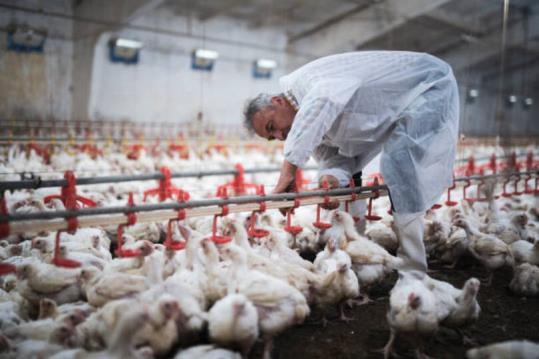
Feeding Guide for Poultry: What, When, and How Much
Proper feeding is the foundation of a healthy and productive poultry farm. Nutritional requirements vary between broilers, layers, and chicks. Broilers require high-protein starter and finisher feeds, while layers need calcium rich diets for strong eggshells. Always use balanced commercial feed or consult a vet before switching to alternative options. Feed your chicks at least five times a day in their first two weeks. Gradually reduce frequency but increase quantity as they grow. Layers need consistent feed with added minerals to maintain daily laying cycles. Water should be clean, cool, and available at all times—never let birds go thirsty. Overfeeding or underfeeding can cause stunted growth, disease, or poor production. Monitor feed consumption using records and adjust quantities seasonally. Invest in automatic feeders and nipple drinkers if managing large flocks. Always store feed in dry, rodent-free spaces to avoid contamination. A good feeding strategy can improve productivity by over 20%.
Broiler vs. Layer: Which Poultry Business Is Better?
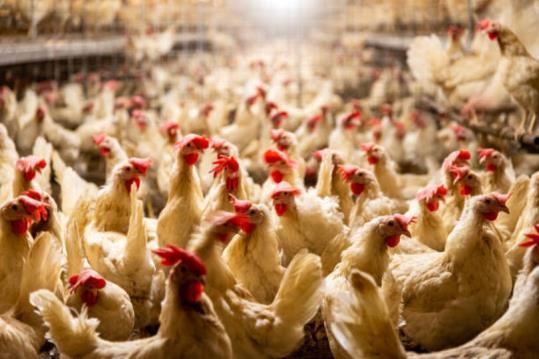
Choosing between broiler and layer poultry farming depends on your financial goals, management capacity, and market demand. Broilers are raised for meat and grow fast—typically ready for sale in 6–7 weeks. Layers, on the other hand, start laying eggs around 18–20 weeks and remain productive for over a year. Broilers provide quicker returns, while layers ensure long-term cash flow. Broiler farming requires less infrastructure and is ideal for small-scale farmers looking for quick profits. However, it comes with higher feed conversion ratios and more biosecurity risks. Layers need more care, continuous feed, and space but offer regular income from egg sales and manure by products. If you prefer frequent turnovers and lower long-term management, broiler farming is better. But if you have capital for delayed profit and want steady income, layer farming wins. You can even run both side-by-side to diversify risk. In all cases, market research and quality management are critical to success.
How to Start a Poultry Farm from Scratch
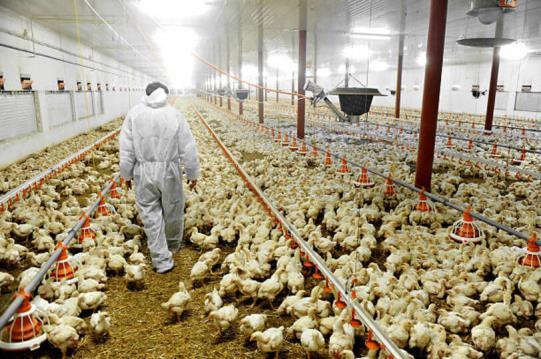
Starting a poultry farm requires careful planning, resource management, and an understanding of the local market. First, identify your target broiler or layer farming based on your budget, goals, and land availability. Develop a business plan that includes estimated costs, profits, and scalability options. Ensure you register your farm with relevant authorities and select a suitable location with easy access to water and transportation. The next step is infrastructure. Construct a properly ventilated poultry shed with secure fencing. Install feeders, drinkers, and heating systems to maintain optimal chick conditions. Biosecurity measures like footbaths, regular cleaning, and visitor restrictions are crucial to reduce disease risk. Buy day-old chicks from trusted hatcheries and maintain batch records.Once your setup is complete, focus on feeding schedules, vaccination timelines, and monitoring flock behavior. Use commercial or organic feeds based on your business model. Hire trained workers or supervise personally to maintain quality. Lastly, develop marketing channels—local retailers, wholesalers, or online delivery—to ensure steady sales and reinvest profits into growth.
