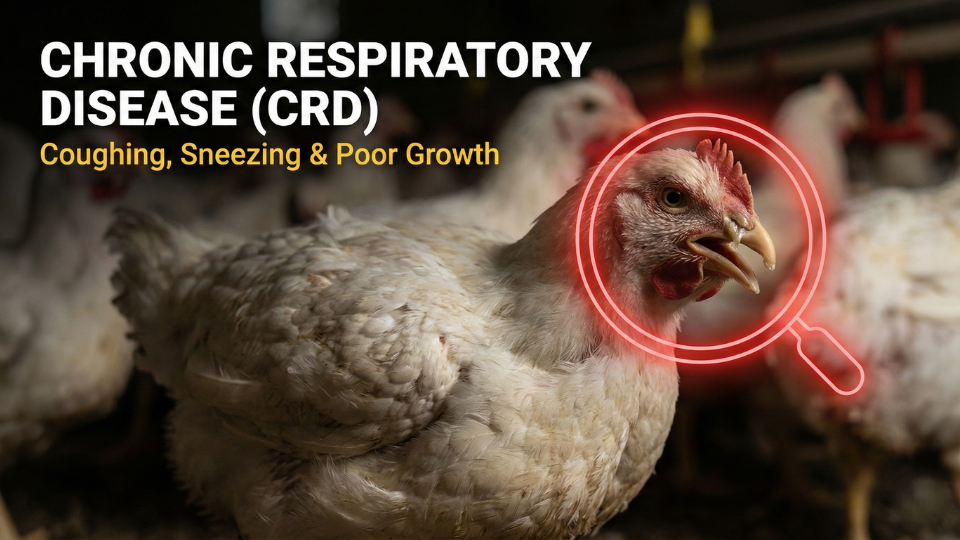
Chronic Respiratory Disease (CRD)
CRD is a slow spreading respiratory disease that reduces growth rate and feed efficiency. Birds show coughing, sneezing, nasal discharge and difficulty breathing. Stress, poor ventilation and ammonia build up increase disease severity. Long term control focuses on improving shed environment, reducing stress and following proper medication protocols under veterinary guidance.
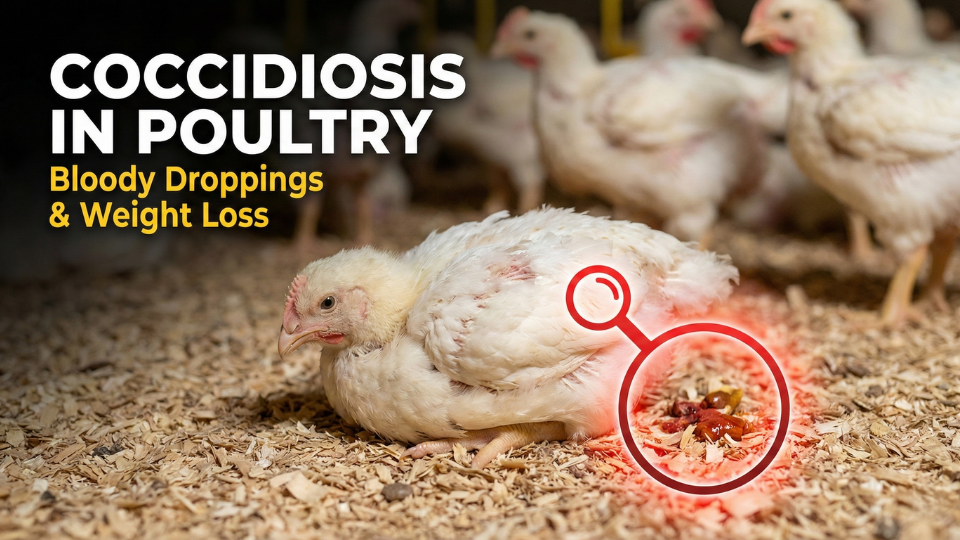
Coccidiosis in Poultry
Coccidiosis is a parasitic disease caused by protozoa that thrive in wet and dirty litter conditions. It leads to bloody droppings, weight loss, poor feed conversion ratio, dehydration and increased mortality. Poor litter management and improper anticoccidial programs increase the risk. Effective prevention includes dry litter maintenance, proper medication programs and good water sanitation.
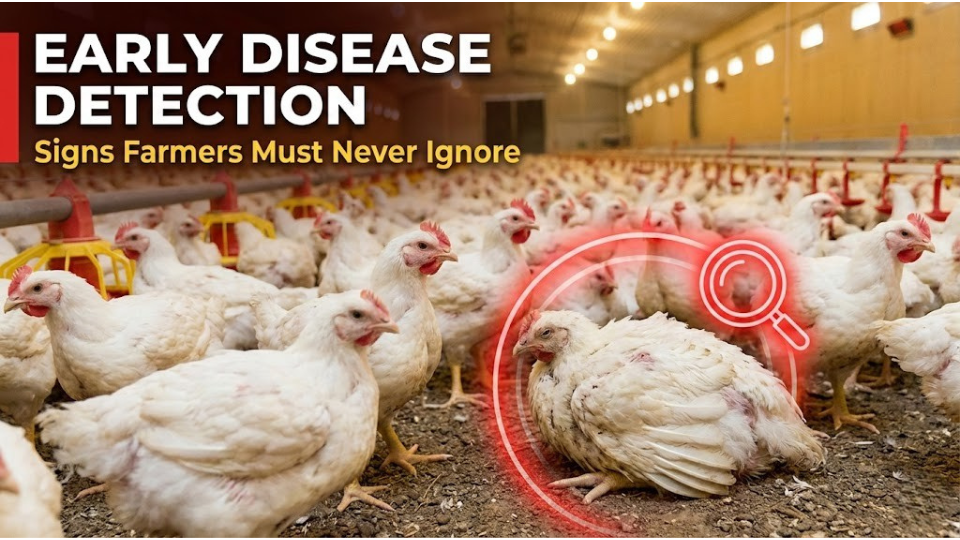
Infectious Bursal Disease (IBD / Gumboro)
Infectious Bursal Disease mainly affects young chicks and severely weakens their immune system. Birds show symptoms like depression, ruffled feathers, trembling, diarrhea and swollen vent area. Even if mortality is low, long term damage to immunity results in poor growth and higher disease susceptibility. Proper vaccination timing, clean litter and stress free management are essential to prevent outbreaks and maintain flock immunity.
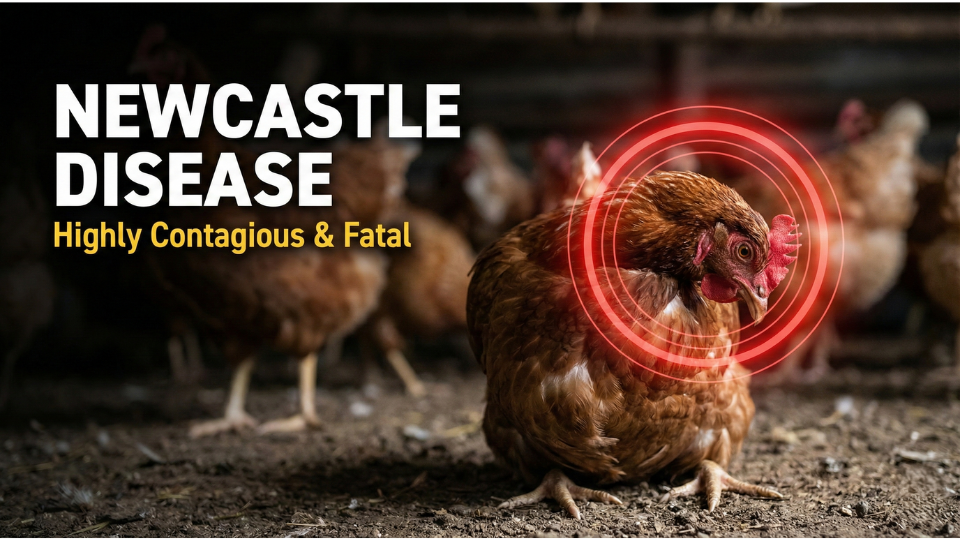
Newcastle Disease in Poultry
Newcastle Disease is a highly contagious viral disease that affects chickens of all ages and causes heavy mortality in poultry farms. The disease spreads through air, infected birds, contaminated equipment and human movement. Common symptoms include respiratory distress, greenish diarrhea, drop in feed intake, twisted neck, paralysis and sudden death. There is no effective treatment once the disease appears, making vaccination and strict biosecurity the only reliable control methods. This disease causes severe economic losses if preventive measures are ignored.
