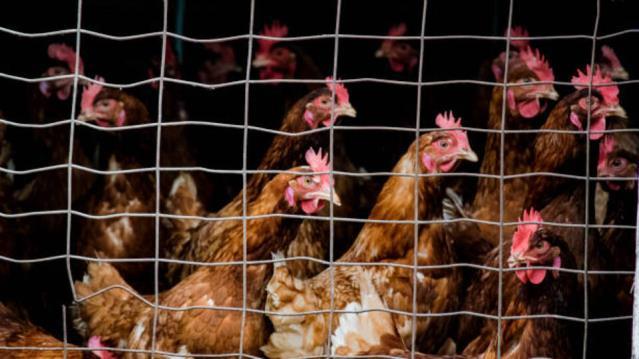
5 Common Parasites That Affect Chickens and How to Eliminate Them
Parasites like lice, mites, worms, and ticks can severely harm poultry health and productivity. External parasites cause itching, feather loss, and anemia, while internal worms damage digestion and growth. Most infestations start from dirty sheds, untreated bedding, or exposure to wild birds. Treat external parasites using poultry-safe sprays or dusts every 15–20 days. Deworm chickens every 30–60 days depending on age and farm size. Always rotate deworming medicines to prevent resistance. Use natural supplements like neem or garlic to support immunity. Regularly clean coops, replace bedding, and use lime or wood ash to treat floors. Limit outside exposure and quarantine new birds. A parasite-free flock grows better, lays more, and resists disease effectively. Prevention, not reaction, is the farmer’s strongest defense.
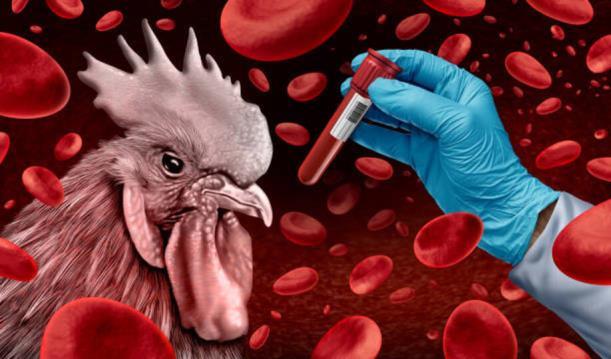
Vaccination Schedule for Poultry (Broiler + Layer)
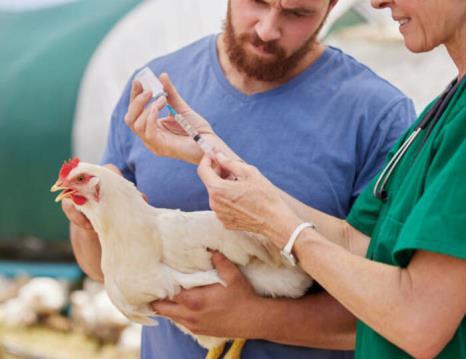
An effective vaccination schedule protects your poultry from deadly diseases and improves productivity. Day-old chicks must receive Marek’s disease and Newcastle vaccines. At 7–10 days, administer Infectious Bronchitis and Gumboro. Repeat Newcastle at 21 and 35 days, along with IBD boosters. For layers, vaccinations extend beyond the first month. Fowl Pox, Infectious Coryza, and Egg Drop Syndrome (EDS) are critical. Continue boosters as birds approach laying age. Maintain records for each batch and monitor reactions post-vaccination. Use only approved, properly stored vaccines. Hire trained personnel for administration. Avoid stress before and after vaccinating. Clean equipment before each use. Incorrect timing or skipping doses weakens immunity and invites outbreaks. A good vaccination plan can reduce mortality by over 60% and is an investment, not a cost.
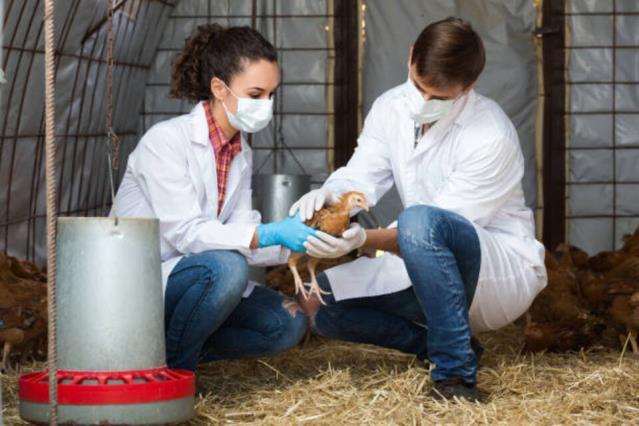
Fowl Cholera in Poultry: Causes and Solutions
Fowl cholera is a bacterial infection caused by Pasteurella multocida. It affects chickens, ducks, and turkeys, leading to swollen wattles, fever, diarrhea and sudden death. The disease spreads via contaminated feed, water, and wild birds, especially in rainy seasons. Immediate treatment includes sulfa drugs or antibiotics prescribed by a vet. However, prevention is more effective. Vaccinate regularly, maintain strict hygiene, and isolate infected birds. Use proper pest control to keep rodents and wild birds away from the shed. Cleanliness is key—wash feeders, remove leftover feed, and keep the shed dry. Monitor closely during seasonal changes. Once under control, maintain preventive measures year-round. Fowl cholera, if ignored, can wipe out weeks of profit in a few days.

How to Prevent Newcastle Disease on Your Farm
Newcastle disease is one of the most destructive viral infections in poultry, causing respiratory distress, green diarrhea, and nervous signs like twisted necks. It can kill 100% of an unvaccinated flock within days. The virus spreads through air, feed, water and human contact. Preventive vaccination is non-negotiable. Use live or inactivated vaccines as per schedule—usually at 7, 21, and 35 days. Biosecurity must include disinfection routines, quarantine for new birds, and limited farm access. Never bring in birds or equipment from unknown sources without testing. If an outbreak occurs, inform veterinary authorities immediately. Cull infected birds and destroy carcasses far from the farm. Disinfect all surfaces and pause new batches until clearance. Newcastle disease is preventable, but once it hits, recovery is hard. Prevention is your only safe bet.
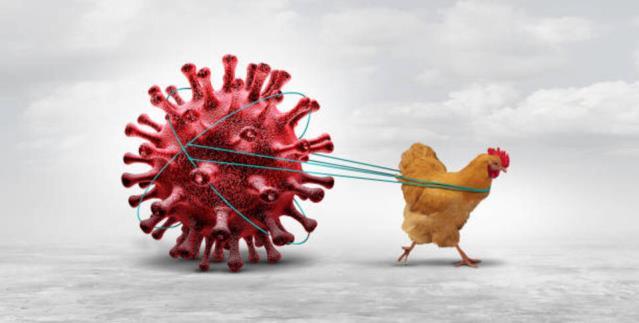
Understanding Marek’s Disease in Poultry
Marek’s disease is a highly contagious viral disease affecting the nervous system of chickens. It's caused by a herpesvirus and leads to paralysis, weight loss, irregular pupils, and tumors in organs. Chicks are most vulnerable between 3–6 weeks of age, and the virus spreads via feather dust. There is no cure, only prevention. Vaccinate chicks within 24 hours of hatching. Keep housing clean, dry, and well-ventilated. Avoid mixing vaccinated and unvaccinated birds. Once infected, birds must be culled to prevent the spread. Use personal protective gear during handling. Marek’s can destroy entire flocks and is often misdiagnosed. Regular observation for changes in walking, balance, or posture can help early detection. Keeping stress levels low and avoiding overcrowding reduces susceptibility. Always source chicks from vaccinated flocks to ensure long term safety.
Coccidiosis in Chickens: Symptoms, Treatment, and Prevention
Coccidiosis is a parasitic disease caused by protozoa affecting the intestines of poultry, especially young chicks. It spreads rapidly through droppings in dirty, wet litter and results in diarrhea, weight loss, and sudden death if untreated. Red or bloody droppings are the most common symptom. Early treatment involves coccidiostats mixed in water or feed, and in severe cases, veterinary antibiotics. Maintaining dry litter and clean water lines is critical. Avoid overcrowding and rotate bedding frequently. Disinfect equipment and provide enough feeder/drinker space per bird. Vaccines are available and can be administered to day-old chicks for long-term protection. Biosecurity is key—new birds must be quarantined. Regular health checks and early detection are your best tools to minimize losses. A single outbreak can cost thousands if not handled swiftly.
